Xpand

Take on a real challenge. Build for a real partner. See where it can lead.

A partner brings a defined challenge. We build a student team to solve it over 6 to 12 months, with the opportunity to earn a contract, investment, or prize.

6 to 12 months
to build a solution
Partner-set challenge
A real problem, not a case study
Contract, investment, or prize
What the work can earn
How it works

One challenge. One team. A clear path forward.

Step 1

A partner sets the challenge.

A company, government agency, or prize organization comes to xFoundry with a specific problem and a clear goal.

Step 2

A team takes it on.

Students apply to take part, and xFoundry selects a team fit for the challenge. Over 6 to 12 months, the team builds to industry standards, with Xpert mentors and the Resource MatriX behind them.

Step 3

The work keeps going.

Teams can earn a contract, investment, or prize. Teams that qualify move into Xcelerate and turn the build into a company.

Two ways in.

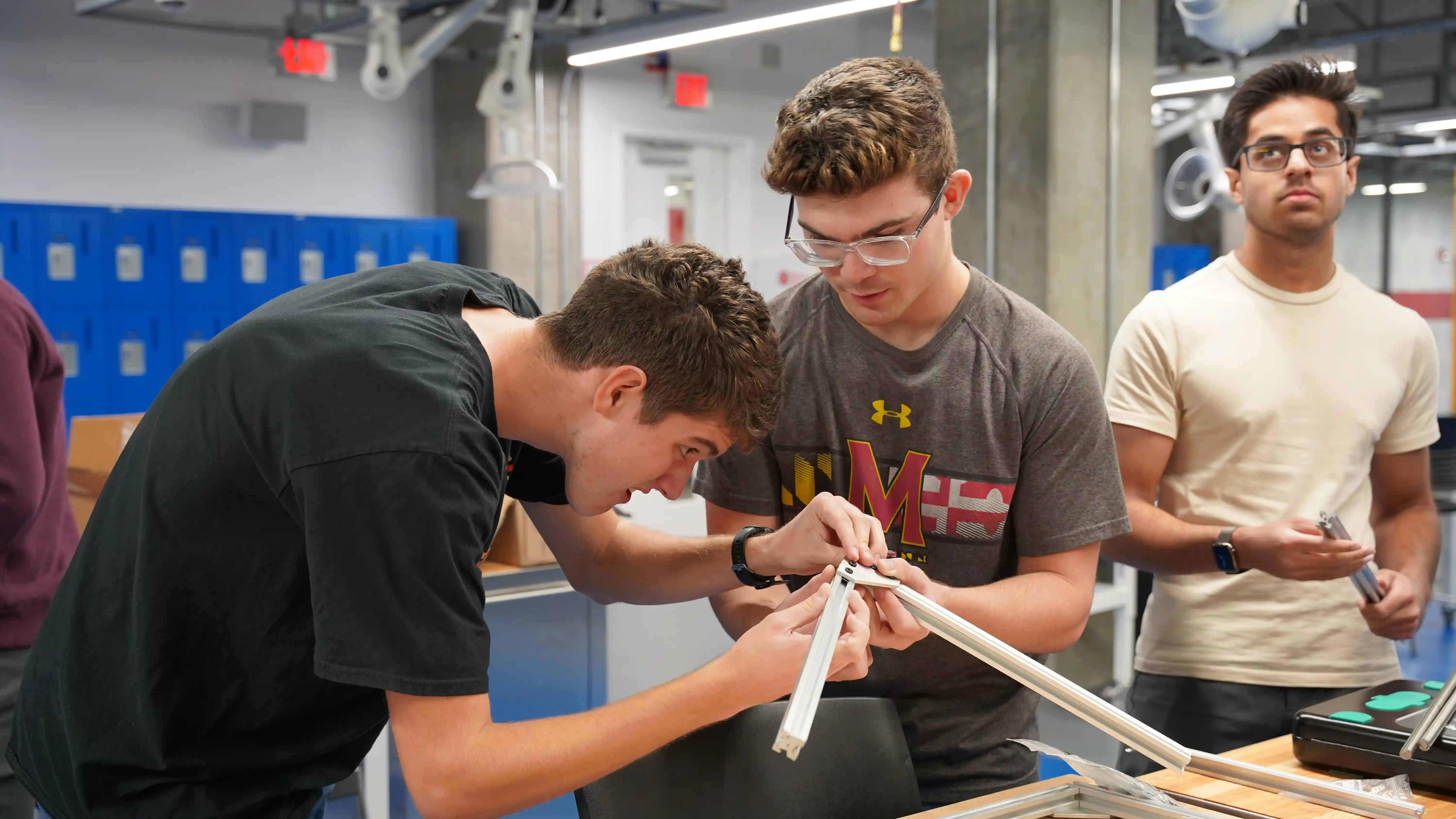
Three young men in a workshop assembling a metal frame; two are closely working on attaching pieces while the third observes holding metal components.
For students

Build a solution for a real partner.

Work on a defined challenge with a real deadline, learn from Xpert mentors, and graduate with proof of what you built.
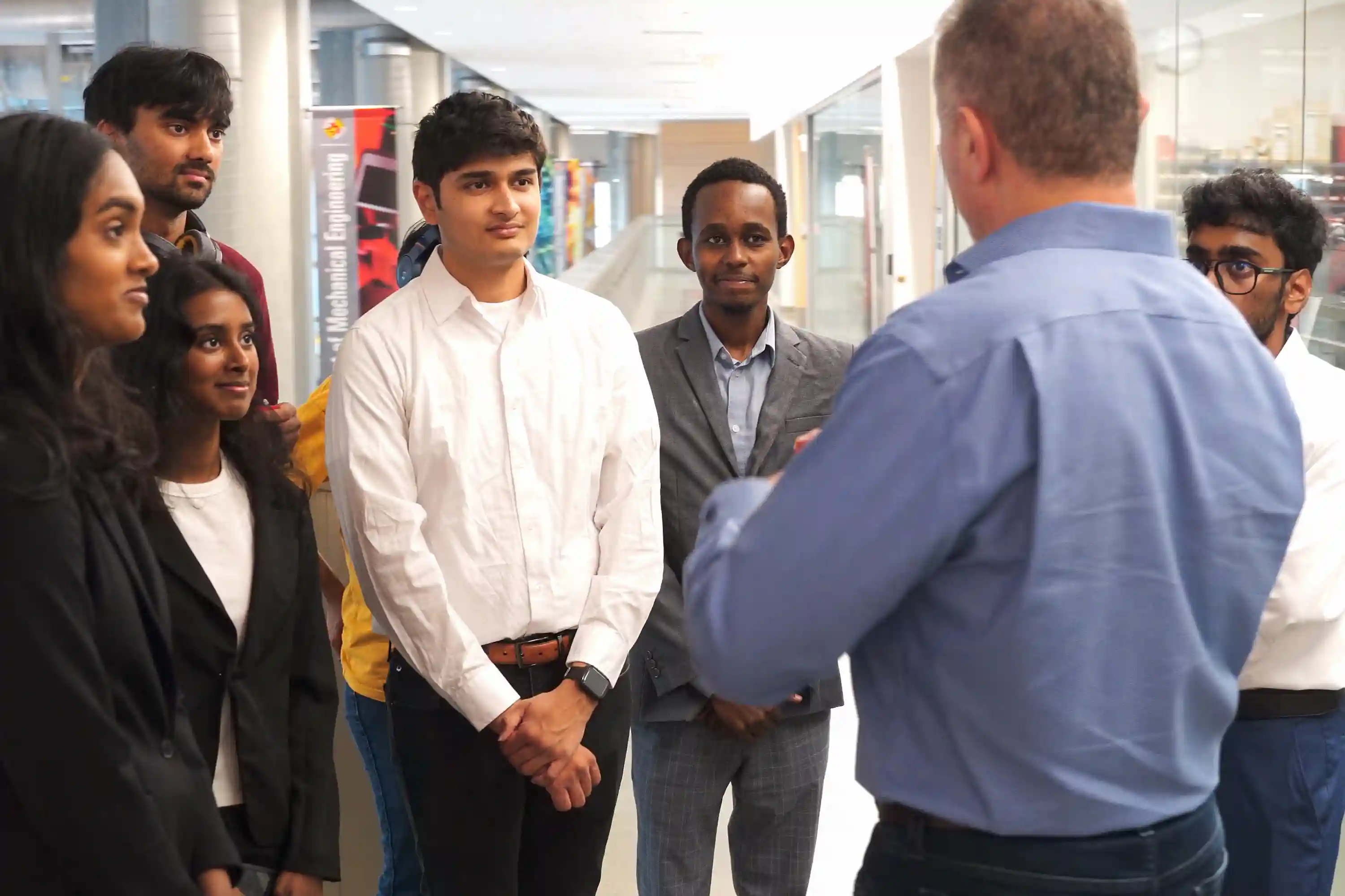
A group of six young adults standing in a semicircle indoors, attentively listening to a man in a blue shirt who is speaking to them, with a hallway and banners in the background.
For partners and sponsors

Bring us a challenge. We’ll build the team.

A hand-selected team works your problem for 6 to 12 months, with xFoundry's structure and mentor network behind them.
WHAT XPAND CAN LEAD TO

From Team Crossfire to Norden Labs.

A student team entered an external competition. They left with a company.

Over 95%
Accuracy telling a wildfire from a controlled burn
Semifinalist
at the XPRIZE Wildfire, global stage
$350K
raised to date

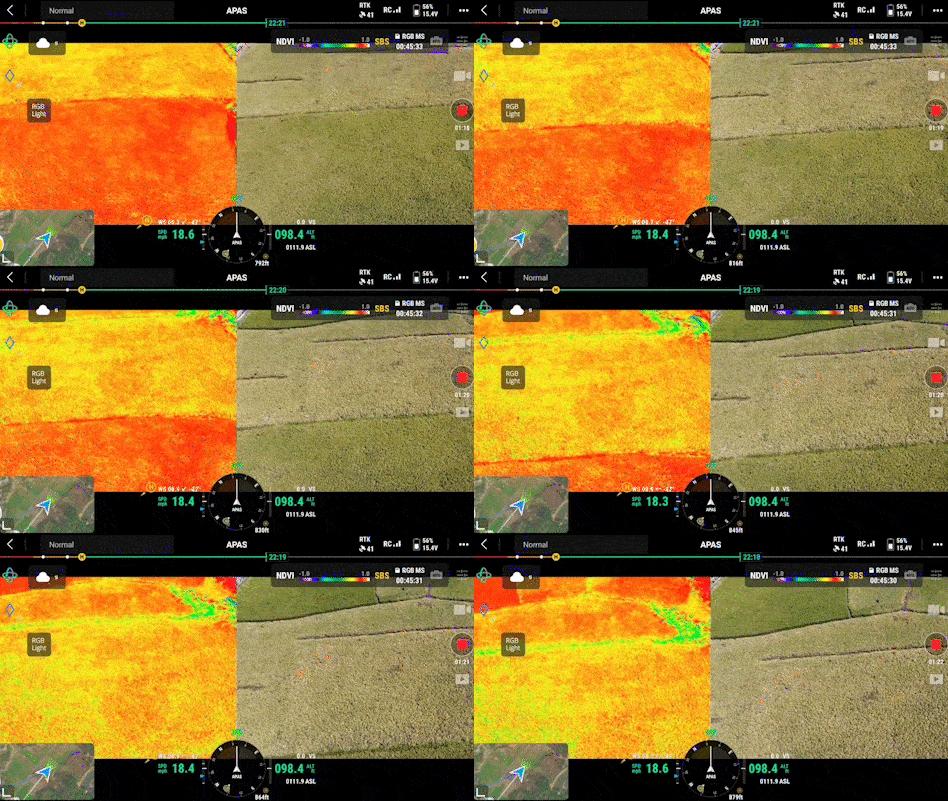
Team Crossfire reached the global semifinals of the XPRIZE Wildfire competition with a system designed to detect and suppress wildfires using drones and cameras already in the field. When the competition ended for them, they kept going.
‍
Through Xpand, they launched Norden Labs, developing cloud-grade intelligence that runs on low-power, off-grid hardware to spot early warning signs of disaster.
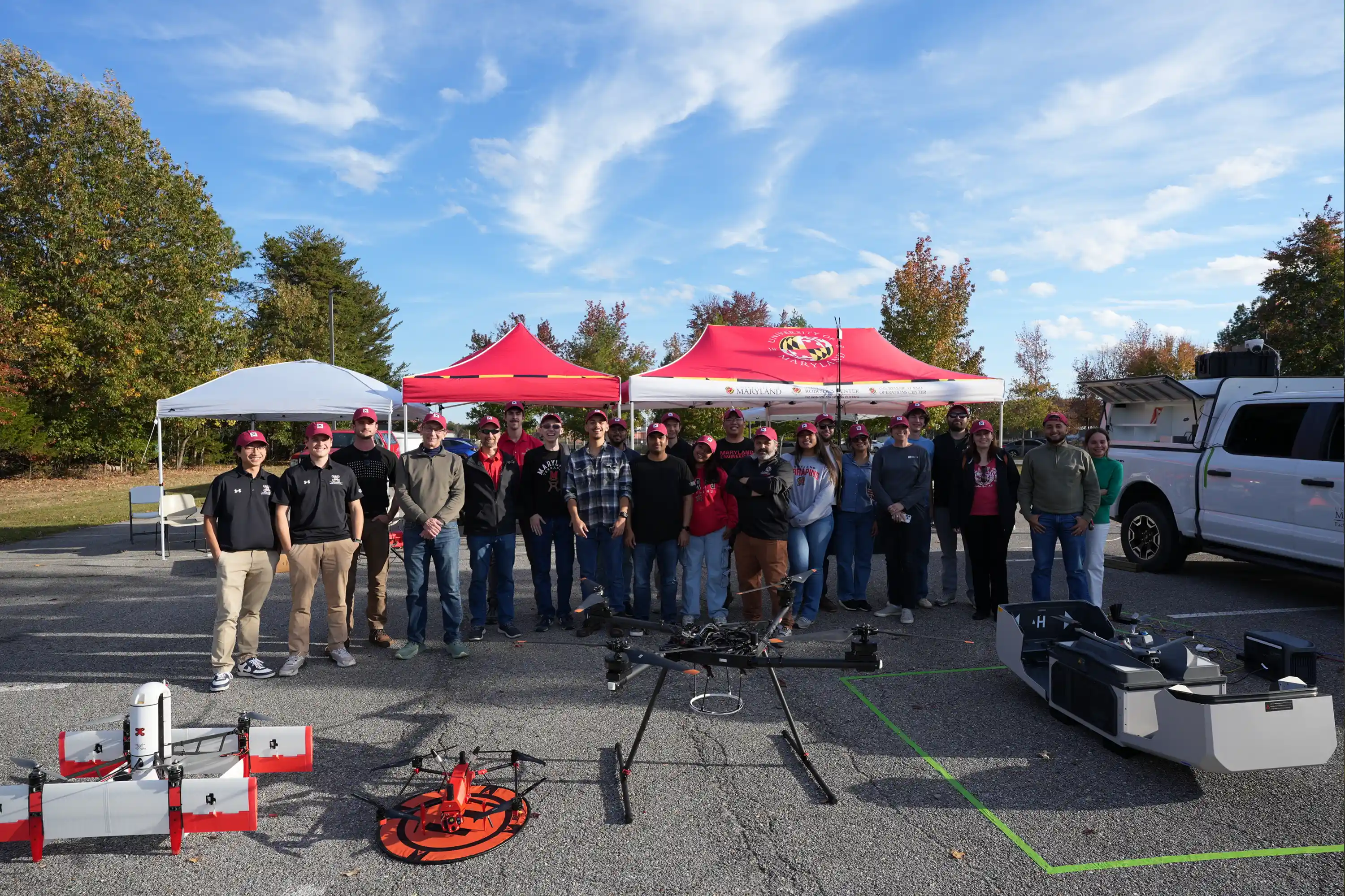
Group of people standing outdoors in front of two red and one white tents with a University of Maryland logo on one, surrounded by trees under a blue sky, with four drones or drone-like devices placed on the pavement in front of them and a white truck on the right side.
Split-screen drone display showing a vibrant multispectral image of a field on the left with red and orange hues indicating vegetation health, and a live video feed of the green field on the right, alongside flight telemetry data including altitude, GPS speed, and battery status.
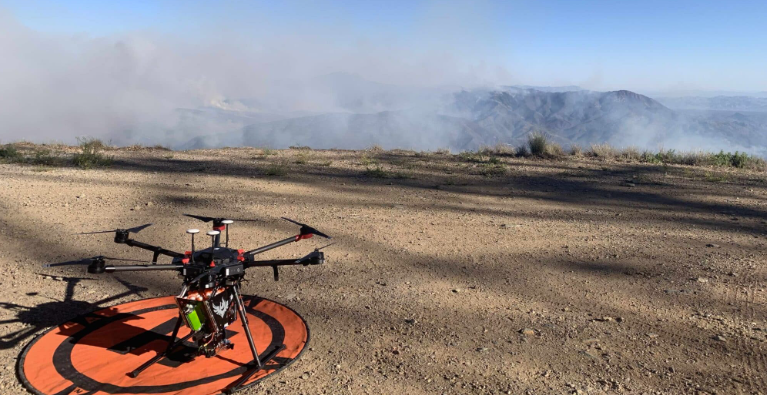
A drone with six rotors sits on an orange landing pad on a dirt surface, with smoke rising from distant hills under a clear blue sky.
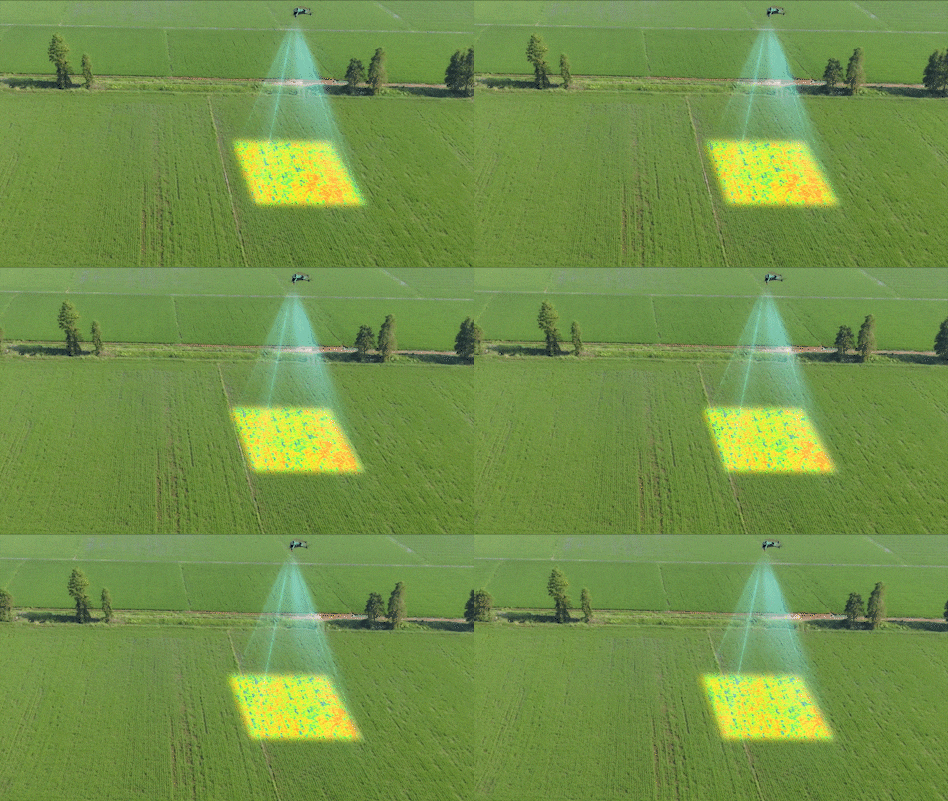
Drone flying over a green agricultural field, scanning a square patch of crops with a light pattern displaying a heatmap in colors like yellow, green, blue, and red.

Keep exploring.