horizons challenge
Phase 1

Horizons Challenge

Define the problem.
Xperience COMPETItion
Define the problem

Before we can innovate solutions, we need to identify and understand the problems.

In the Horizons Challenge you'll work on a small team, diving into societal challenges and conducting essential market research to identify a significant problem that, if solved, could help improve society today.

This isn't about solutions... .

This is about defining the right problem. Your team will then pitch your chosen problem topic, and through a voting process, the winning pitch will set the stage for the next phase, where teams across the country will then work to solve that very problem.

We work with NASA for the Horizons Challenge

Imagine contributing to humanity's journey to the Moon and beyond by 2040. NASA's ambitious goals come with exciting new problems.

By tackling these challenges, students did not just help NASA reach for the stars; they discovered solutions that can have a huge, positive impact on society right now. It's about asking:

Pitch your ideas and learn from the best

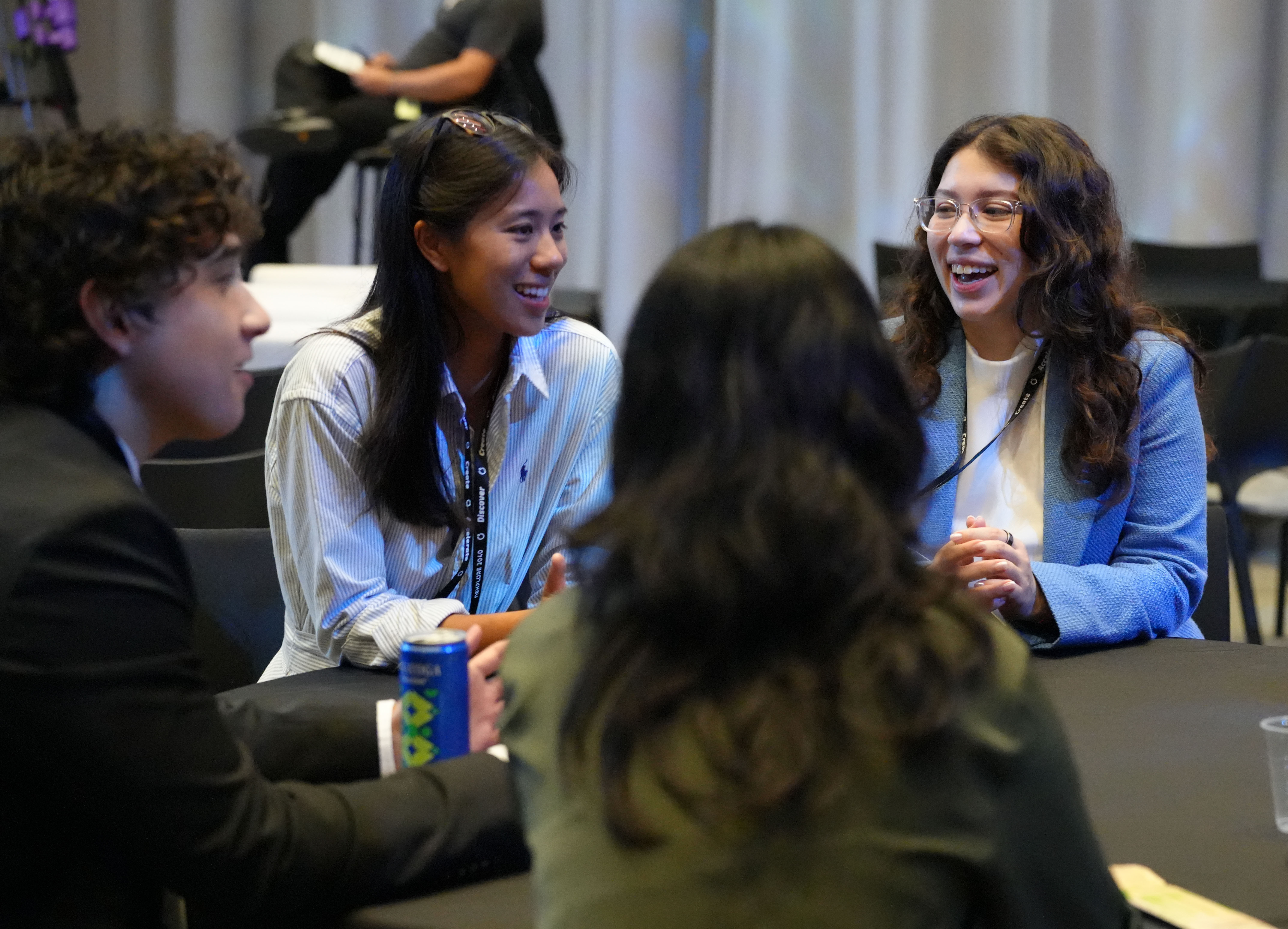
During NEXPLORE Rumble, Horizons challenge finalists pitched their problem statements to industry professionals in speed-dating style, receiving feedback from dozens of experts on how to refine their ideas for a chance to win the challenge and set the topic for the next Xperience competition.

Define the problem

Set the stage for the next 15 months of student innovation across the country, while also getting us to the Moon.

prize purse
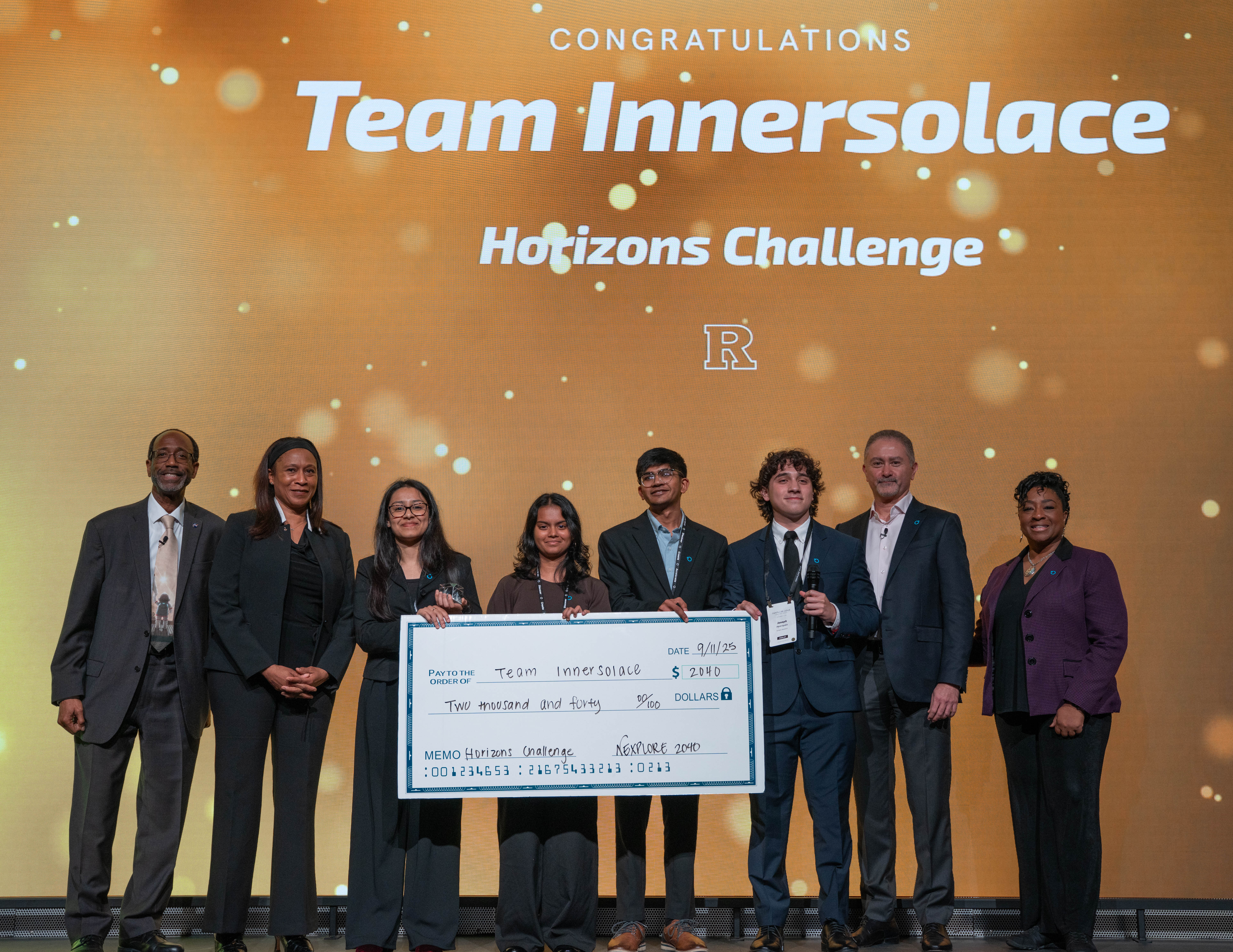
$2,040
Winning teams get this to do this and other things with prize money that students do but also good.
focus areas
4
Areas for student teams to identify problems in
The Horizons Challenge invites students from all disciplines. Science, engineering, arts, business and beyond to bring their creativity and expertise to identify the toughest technological challenges ahead.
Christyl Johnson, Ph.D.
Deputy Associate Administrator, Space Technology Mission Directorate at NASA
To solve a challenge, we first need to understand the underlying problem. Challenges arise because they've been persistent issues, often due to historical, deeply rooted factors in our society, whether on a local or global scale.
Stephanie Shonekan, Ph.D.
Dean, College of Arts and Humanities at University of Maryland
I'm really excited about coming together with a really cool group of people that come with different skill sets, different ways of thinking, and combining that with such an exciting prospect of some sort of a real project.
Mateo Aron Ortiz '24
B.A. Architecture at University of Maryland
Oftentimes large ideas come from these small kinds of initiatives.
Craig Beyrouty, Ph.D.
Former Dean, College of Agriculture and Natural Resources at University of Maryland