

“
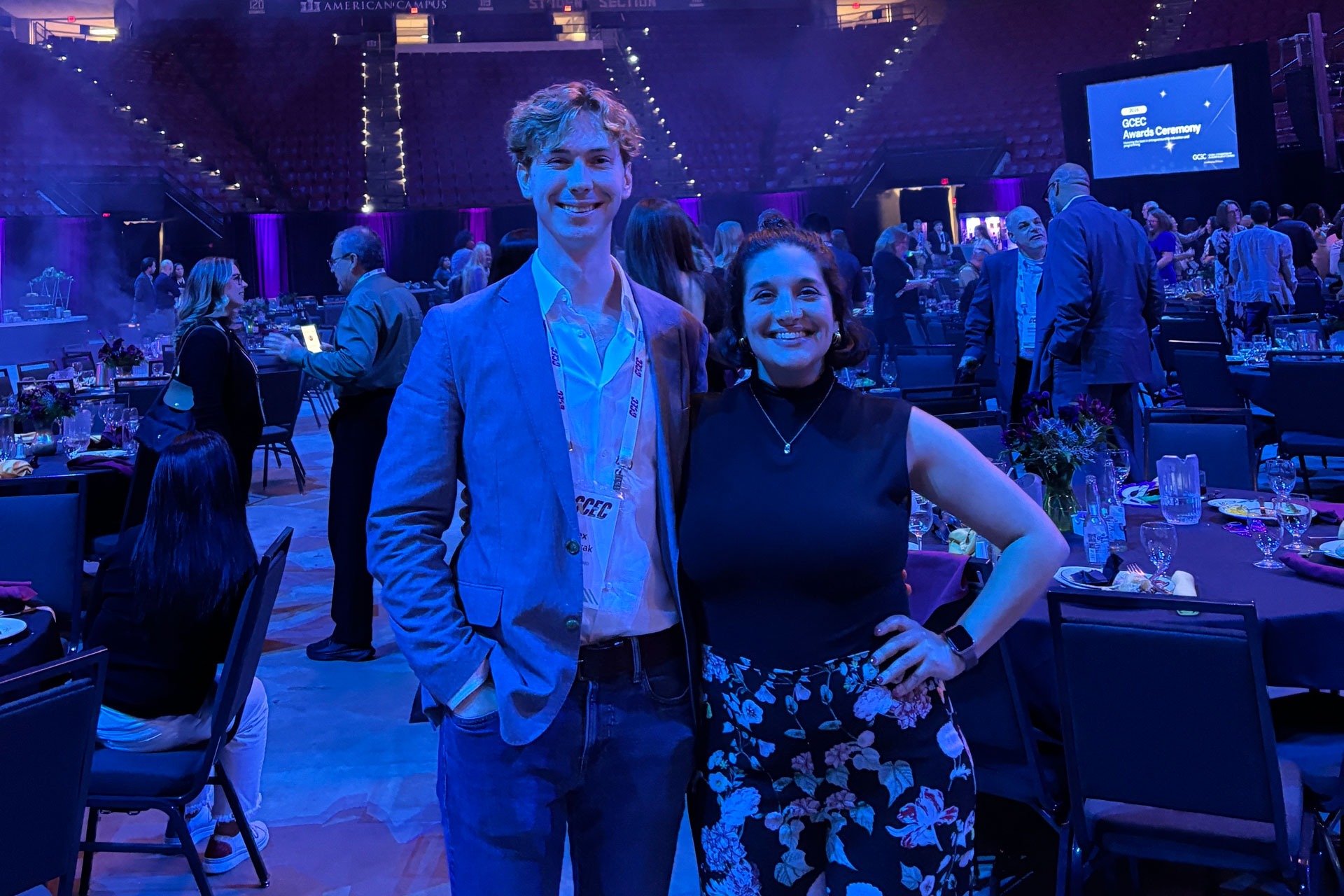
This October, Head of Partnerships Alison Waldman and Director of Technology Alex Onufrak took the University of Maryland to the Global Consortium of Entrepreneurship Centers (GCEC) conference. In front of more than 400 education entrepreneurship professionals, they told a two-part story: how students gain real experience, and how they prove it to employers.
Part one: you are not your major.
Alison challenged an idea that keeps too many students on the sidelines: that what you study decides what you have to offer. Our Technology, Entrepreneurship, Arts & Athletics, Marketing, and Science (TEAMS) framework is built on mindsets and strengths, not majors. Take the athlete studying marketing, or the English major who builds computers for fun. They’re exactly who xFoundry wants. When a team is innovating, everyone brings their experiences and ways of thinking to the table. When it’s time to build, they lean on whoever knows the subject best. Nobody gets boxed in by a degree.
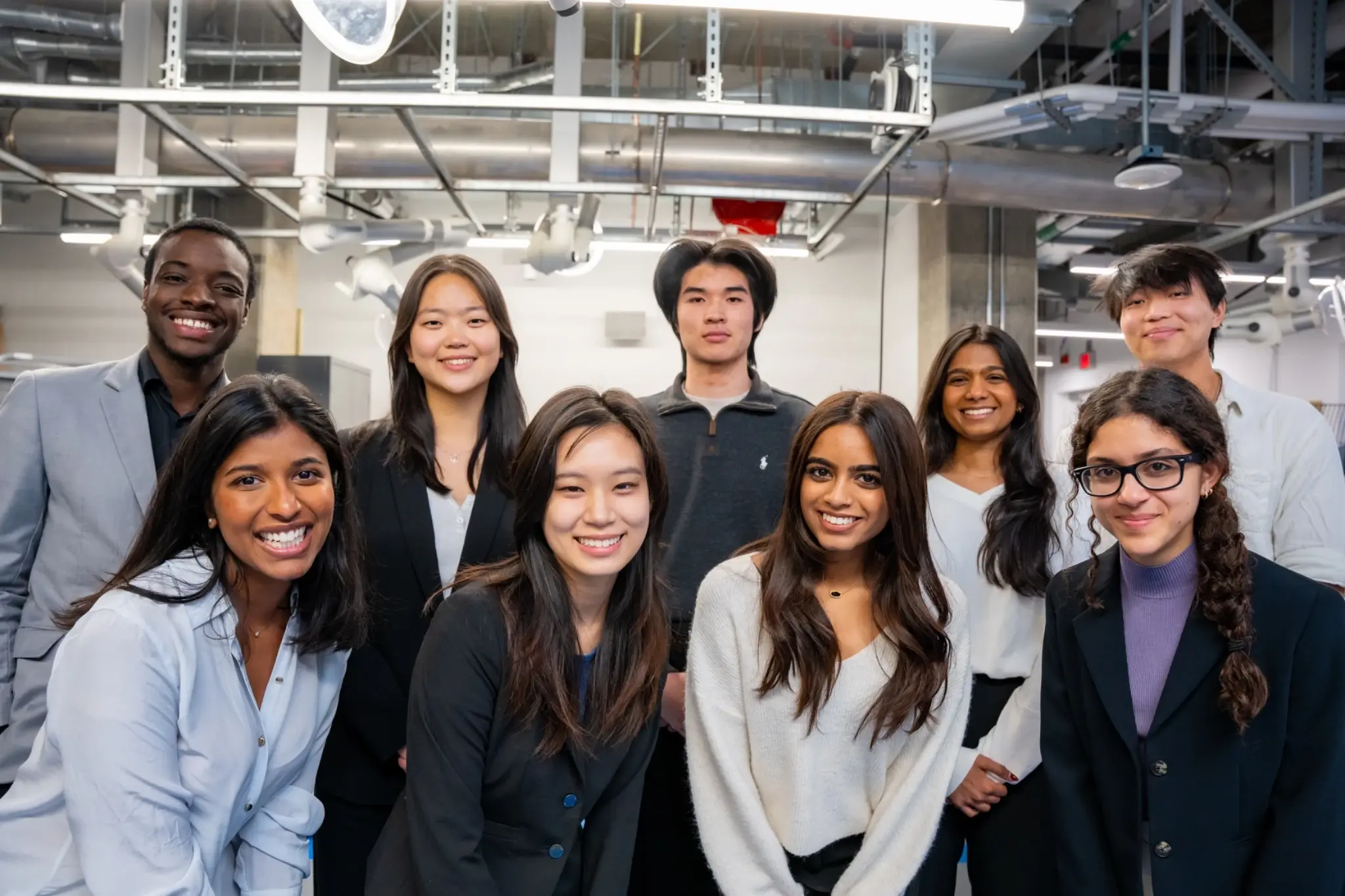
And we have the numbers to prove it. Our School Safety Xperience cohort brought together 90 students, 14 teams, and over 60 majors from computer science and aerospace engineering to finance, public health, criminology, kinesiology, philosophy, and theatre.
Part two: how do you put 1,500 hours of teamwork on a resume?
That’s where Alex came in. A participation certificate is nice. Showing an employer exactly what you did is better. Our credentialing framework is designed to track what each student built and how long it took, and sort it into three areas: business acumen, product development, and professional skills. Every student leaves with a verified, resume-ready record of their contributions. Trophies are great, but we also give each competitor, finalist, and winner something better: proof of their accomplishments.
And word is getting around.
Students from 30 universities are already participating in xFoundry programs this year, and GCEC could push that number higher. We connected with 15 new universities, including Yale, MIT, the University of Michigan, Tufts, and Johns Hopkins University. One conference, 15 new doors. Behind each one are more competitors, perspectives, and connections for our students, and one more addition to a national network led by the University of Maryland.

“
Next stop: SXSW
In March 2027, xFoundry will take the stage twice at SXSW to show the country that the future of higher ed is already happening at the University of Maryland.
As AI reshapes hiring, a degree alone no longer guarantees a job. It’s a structural problem, and in An Experiential Answer to the AI Entry-Level Job Crunch, Head of Programs Dr. Parker Brewster will present xFoundry’s solution.
The model treats experience as something students can build before their first job. They complete roughly 1,500 documented hours of applied venture work, develop AI fluency inside real workflows, and earn verified credentials. It’s tempting to supply the talent and hope the demand shows up, but xFoundry flips the order. Each challenge is validated with industry and government partners before students start building, which reduces risk for students, faculty, and centers and creates space for students who don’t fit the usual founder profile.
Some partners bring a particularly ambitious to-do list. NASA brings one with 187 technology needs. Which is how xFoundry, an astronaut, and a historic partnership end up walking into a conference.
In NASA Named the Gaps. 175,000 Students Are Closing Them, we’ll join retired NASA astronaut Dr. Jeanette Epps to explore how that agreement connects students across the University System of Maryland to NASA’s technology needs. Getting to the Moon and beyond will take more than aerospace engineers. There’s work here for designers, biologists, and business majors too.
We’re ready to share what we’ve built, see what’s next, and hear from some of the boldest voices in education. They say everything is bigger in Texas. We’re counting on it.
“
“
“
“