Oura is putting $25,000 of hardware into students' hands
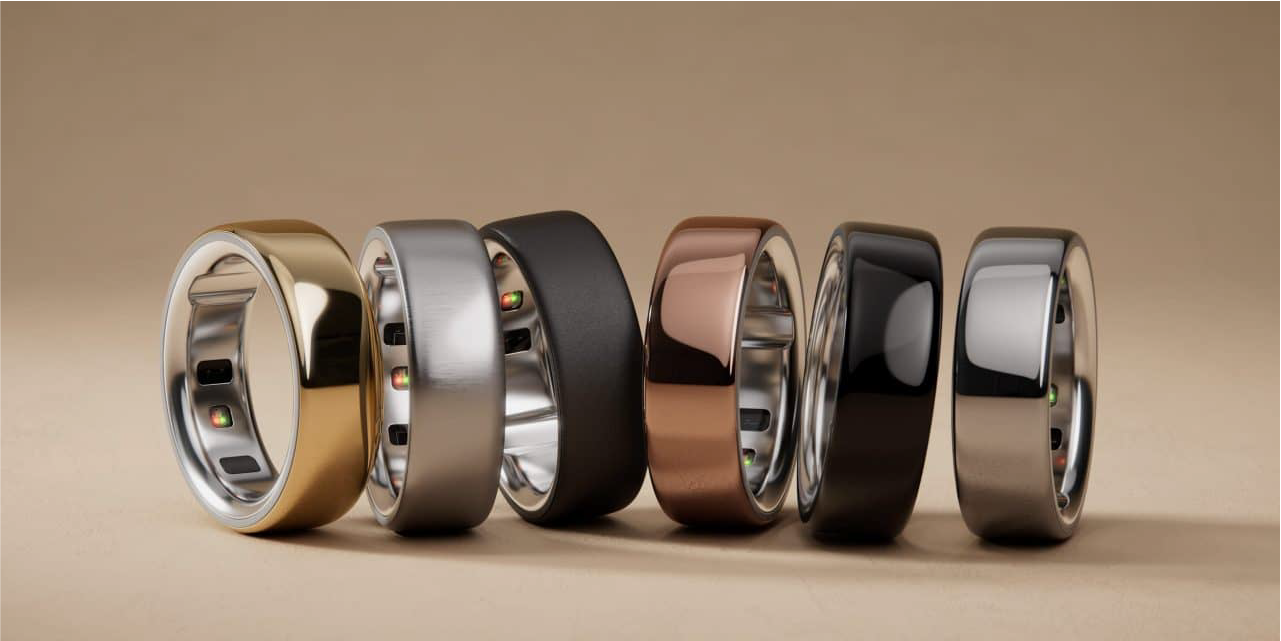
Oura has donated $25,000 in hardware to xFoundry: 50 Oura Ring 4 devices, each bundled with data access for the life of the device.
An Oura Ring tracks sleep, heart rate variability, body temperature, and activity around the clock. That's a live data feed, and student teams are about to build on it.
Where the hardware goes
Most of the donation goes to the Mental Health Xperience, where teams compete for a fleet of rings to build with. Volume is the point. Sleep quality and heart rate variability are two of the signals researchers use to study stress and recovery.
In practice that means a team can put its solution in front of the same fifteen wearers and follow sleep and heart rate variability across the months of the competition, comparing where those numbers started against where they end up. That's a full semester of real use rather than a single snapshot, and it answers a question a demo never can. Did the thing we built actually move anything, and does the answer hold up when somebody checks?
That's the difference between a plausible idea and a tested one, and it's a difference judges and investors can see.
Mental health is also the rare grand challenge where the people building the solution live inside the problem. These are college students building for college students, on a campus, mid-semester, with all the sleep debt and stress that implies. They aren't gathering data for a report or a capstone, but competing to launch a venture and put their solution in real hands. The data they build from is their own, captured on their own campus, not borrowed from somebody else's study.
Teams earn their rings by submitting an Oura Ring Use Plan at Gate 2, and the strongest plans win. Sixty-two teams are competing in the Mental Health Xperience. Two of them will be building with Oura data.
Full breakdown of how that works →
The rest of the donation is reserved for an upcoming Xpand initiative, which we'll open shortly.
What’s next
Oura entered the xFoundry ecosystem through NEXPLORE, alongside partners like Intel. This is the first of their hardware to reach students directly.
Our pipeline of upcoming challenges connects directly to the Oura rings, both as a possible solution and as an efficacy-tracking tool, so we value this relationship and collaboration immensely.
Oura has donated $25,000 in hardware to xFoundry: 50 Oura Ring 4 devices, each bundled with data access for the life of the device.
An Oura Ring tracks sleep, heart rate variability, body temperature, and activity around the clock. That's a live data feed, and student teams are about to build on it.
Where the hardware goes
Most of the donation goes to the Mental Health Xperience, where teams compete for a fleet of rings to build with. Volume is the point. Sleep quality and heart rate variability are two of the signals researchers use to study stress and recovery.
In practice that means a team can put its solution in front of the same fifteen wearers and follow sleep and heart rate variability across the months of the competition, comparing where those numbers started against where they end up. That's a full semester of real use rather than a single snapshot, and it answers a question a demo never can. Did the thing we built actually move anything, and does the answer hold up when somebody checks?
That's the difference between a plausible idea and a tested one, and it's a difference judges and investors can see.
Mental health is also the rare grand challenge where the people building the solution live inside the problem. These are college students building for college students, on a campus, mid-semester, with all the sleep debt and stress that implies. They aren't gathering data for a report or a capstone, but competing to launch a venture and put their solution in real hands. The data they build from is their own, captured on their own campus, not borrowed from somebody else's study.
Teams earn their rings by submitting an Oura Ring Use Plan at Gate 2, and the strongest plans win. Sixty-two teams are competing in the Mental Health Xperience. Two of them will be building with Oura data.
Full breakdown of how that works →
The rest of the donation is reserved for an upcoming Xpand initiative, which we'll open shortly.
What’s next
Oura entered the xFoundry ecosystem through NEXPLORE, alongside partners like Intel. This is the first of their hardware to reach students directly.
Our pipeline of upcoming challenges connects directly to the Oura rings, both as a possible solution and as an efficacy-tracking tool, so we value this relationship and collaboration immensely.