NASA Is Betting on Students. Maryland Is First.

NASA needs new ideas to get to the Moon and figure out how people will live and work in space. Their answer this time: start with students.
A new five-year Space Act Agreement between NASA and the University System of Maryland (USM) puts xFoundry in the middle of a pipeline that connects more than 175,000 students to NASA's hardest open problems. This is one of the first Space Act Agreements of its kind between NASA and a public university system to focus on student entrepreneurship.
For NASA, it means accessing a wider, more diverse source of new thinking faster than they could have before. For students, it is a direct line to NASA engineers, real constraints, and a clearer path from idea to impact.
How it works
In short, NASA brings the problems and expertise, USM brings the students, and xFoundry brings the programs to connect the two together.
Students move through three stages, each connecting them more directly to NASA, industry, and investors.
- Horizons Challenge: A nationwide competition where student teams take NASA’s list of 187 technology shortfalls and [break them down into bitesize problems that, if solved, simultaneously help NASA reach its long-term goals and improve society today]. Think Velcro and Speedo; both invented for NASA needs, but [something about consumers using too]. NASA scientists and industry experts advise and judge the best problem topic. The winning topic becomes the target for the next stage.
- Xperience: A 15- to 18-month program where university teams turn early concepts into working, fundable solutions to major societal challenges.
- NEXPLORE Summit: Each cycle wraps here. Horizons Challenge and Xperience winners are announced, and student attendees meet directly with NASA leaders and industry partners.
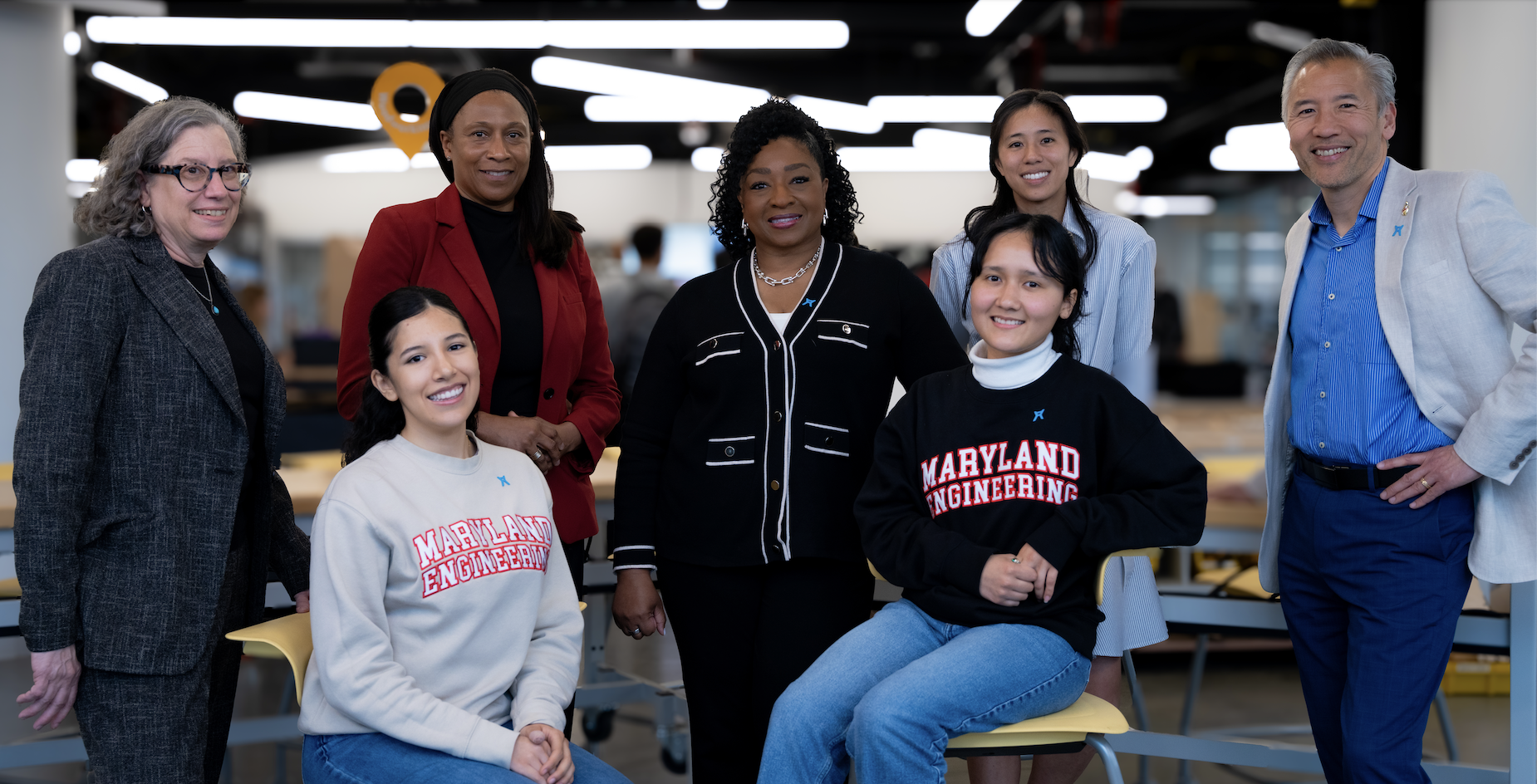
"I think we get the best ideas that way. Fresh ideas, new brains, new eyes on the task and on the problem."
Jeanette Epps, Ph.D., Ret. NASA Astronaut
Why it matters
When a student graduates, they're no longer looking for a job and not being able to find one. They are actually building jobs themselves, creating companies and hiring people to be able to come to work for them. Christyl Johnson, Ph.D., Ret. NASA Executive
Most student work stays in the lab. This agreement is built to push promising ideas out; into use, into market, into the next generation of space-related companies that need somewhere to start.
"We've got some frameworks of how we try to coach and mentor and teach this information process to get to the companies that can take advantage of these Agreements that we now have of the fundamentals."
Dean Chang, Ph.D., Chief Innovation Officer, University of Maryland
What comes next
Horizons Challenge II opens this September. Student teams will work on technology challenges identified by NASA. Finalists pitch at the NEXPLORE Summit in April 2027; in front of NASA experts, industry leaders, and investors.